Safety
Nothing we cut today is worth anybody not going home.
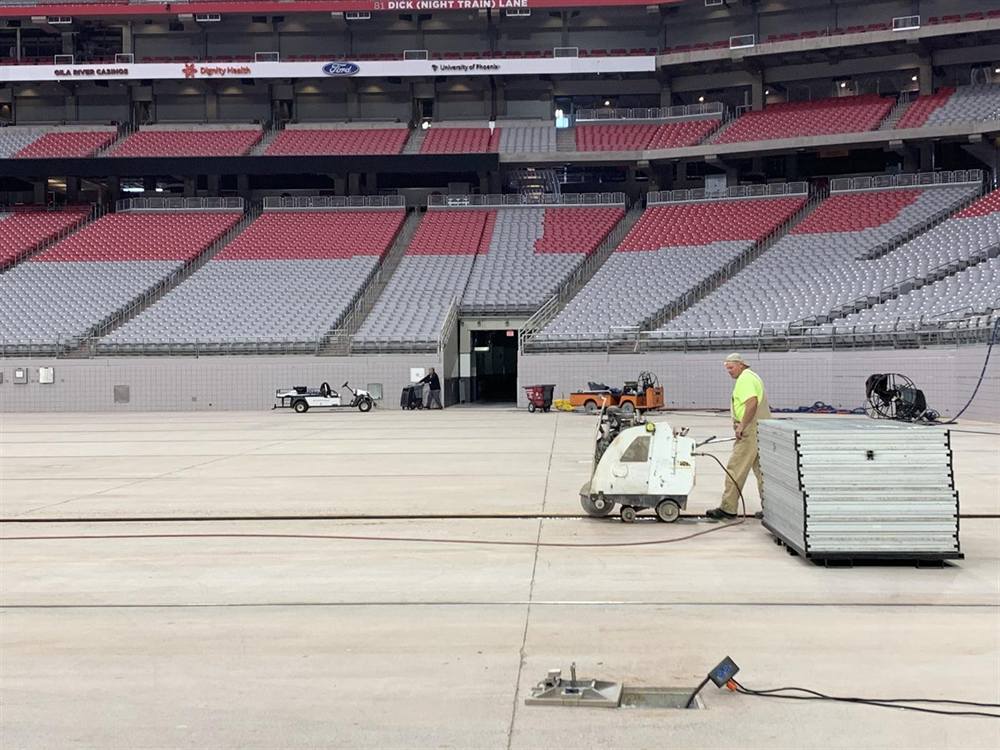
Every technician on our crews is OSHA 10 certified. Every job starts with a plan the crew writes and signs on site. Every cut that needs it is scanned first, and every cut runs wet. That is not a slogan on a wall — it is how a Concrete Coring Company day starts on your job.
Trained before they cut
The men on your job carry the cards.
A safety program is only as good as the man running the saw. Ours are trained, carded, and briefed before they ever set up on your floor.
- OSHA 10 — every technician. Not a lead and a crew, every man in the field.
- OSHA 30 — our field leads. The people running the work know the standard behind it.
- Scissor lift, boom lift and forklift certified operators. Work at height and material handling are run by people carded for the machine.
- Trained on the equipment, task by task. A new man works beside an experienced operator on each saw and rig before he runs it on his own.
How the day starts
Every job runs on a plan, not on habit.
Walk it and write it
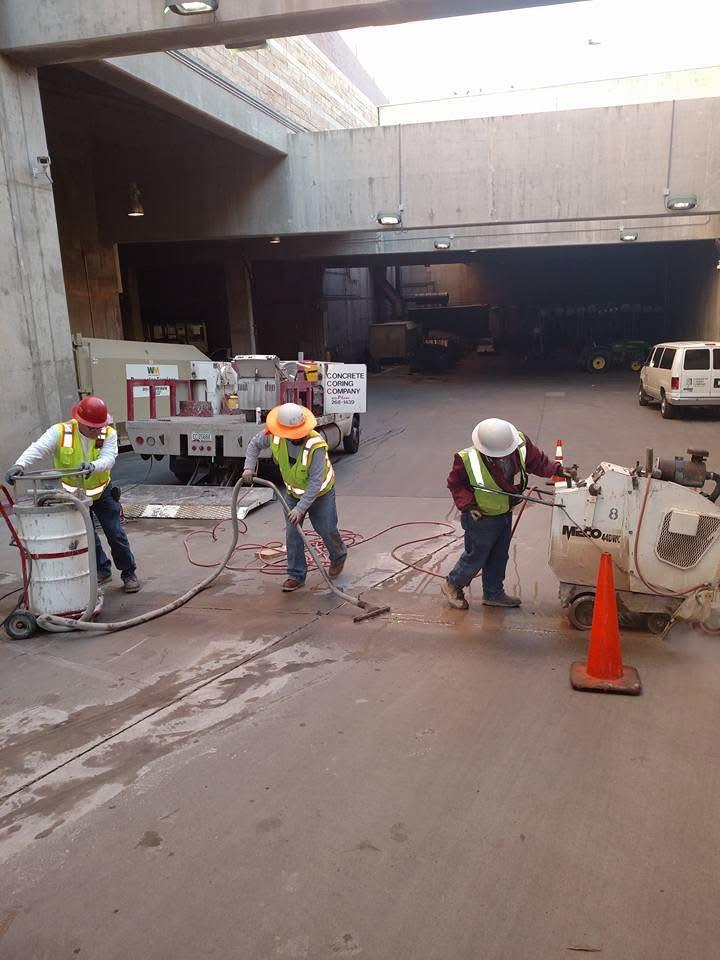
The crew walks the work area and writes the pre-task plan on site — the steps, the hazards, and what controls each one.
Everybody signs
Every man on the crew signs the plan before a blade turns. If the work changes, the plan changes, and they sign again.
Scan and mark
We scan the slab or wall with GPR and mark post-tension cable, rebar, conduit and pipe before the first cut.
Control the zone
Our cut zone is ours. Nobody walks into it without the operator stopping the saw and saying so.
Cut wet, clean as we go
Water on the blade the whole cut. Slurry vacuumed up, not left to dry into dust or run into a drain.
Leave it safe
The hole we cut is covered or barricaded before we walk away from it. Cores come out from above — we do not drop them.
The paperwork
Written down, signed, and on file.
Your safety manager should not have to take our word for it. Every one of these exists for your job, and you can see it.
Every day
Pre-task plan
Written by the crew on site each morning: scope, the step-by-step work, the hazards of each step and the action that controls it. Signed by every man before work starts.
For your job
Activity Hazard Analysis
Built around the actual cuts on your project, not pulled off a shelf. We can write it on your format — your safety team sends the form, we fill it in.
Every week
Toolbox talk
A weekly talk on the work in front of the crew — controlling the zone, heat, silica, lifting, cords overhead — with every man’s name on the sign-in sheet.
2026 revision
Safety manual
Rewritten for concrete cutting and coring in 2026: scanning before cutting, silica, lockout, dropped cores and openings, heat, and work in occupied buildings.
On every cut
The hazards of this trade, and what we do about them.
Silica dust
We cut and core wet, every time. Water at the blade or bit for the whole cut, slurry vacuumed and hauled off. If the water stops, the cut stops.
What is in the concrete
GPR scanning before every cut that needs it, so post-tension cable, conduit and pipe are marked and missed. A cut PT cable is a safety event, not just a repair. More on GPR scanning.
Openings and cores
Every opening we make is covered or barricaded before we leave it. Cores are pulled out from above, and nobody works below a cut that is coming free.
Power and stored energy
Every cord and power lead is on our cord assurance program: inspected and tested every month, and checked again before every job.
Arizona heat
Water, shade and rest on a schedule through the summer, early starts when the work allows it, and every man watching the man next to him.
Occupied buildings
Hospitals, schools, offices and garages, often at night. Water and slurry contained, the work zone barricaded, and the public kept clear of it.
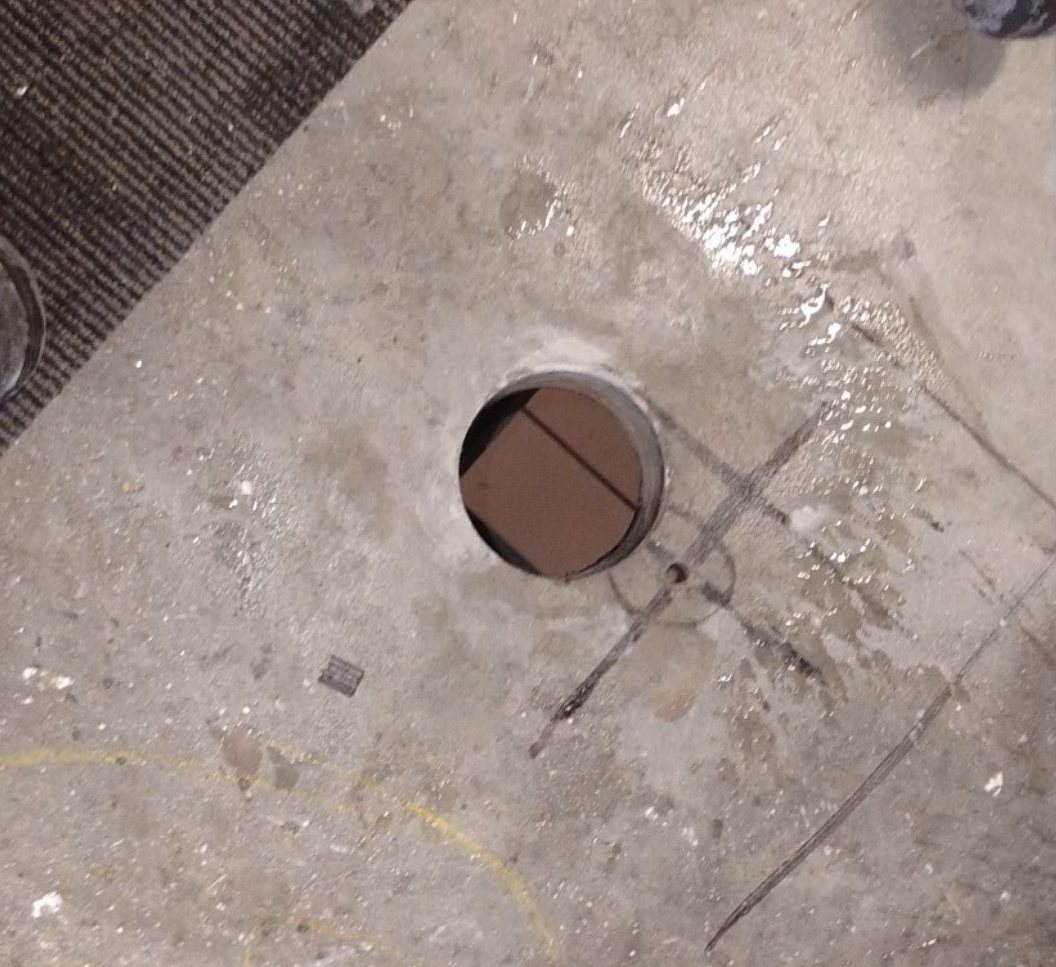
Scanned, marked, then cut.
Before a bit touches a slab that needs it, we scan it with GPR and mark post-tension cable, rebar, conduit and pipe on the concrete. The layout lines are still on this deck beside the finished hole.
More on GPR scanning.
For your safety manager
Prequalifying us? Here is what we send.
- Our safety manual, 2026 revision, written for concrete cutting and coring.
- Our silica control plan — wet methods on every task, by tool.
- Sample AHAs and pre-task plans from real jobs, with the customer’s details removed.
- Training records — OSHA 10, OSHA 30, and lift and forklift operator cards.
- Safety data sheets for the products we bring on site.
- Licensed and insured — Arizona ROC071382, certificates of insurance on request.
Questions
Safety, answered straight.
Are your concrete cutting crews OSHA trained?
Yes. Every Concrete Coring Company technician is OSHA 10 certified, and our leads carry OSHA 30. We also have scissor lift, boom lift and forklift certified operators on the crew.
Do you write a pre-task plan and an AHA for our job?
Yes. The crew writes and signs a pre-task plan on site every day before a blade turns, and we write an Activity Hazard Analysis for each job, built around the actual cuts on your project rather than pulled off a shelf. We can work to your AHA format.
How do you control silica dust when cutting concrete?
We cut and core wet. Water at the blade or bit the whole cut, and the slurry is vacuumed up and hauled off rather than left to dry into dust. If the water stops, the cut stops.
Do you scan before you cut?
Yes. We run GPR scanning to locate post-tension cable, rebar, conduit and pipe in the slab, and mark the layout before a bit touches the concrete. See GPR scanning.
Can you work in an occupied building?
Yes. Hospitals, schools, offices, parking garages and occupied retail, including nights and weekends. We contain water and slurry, barricade the work zone, and keep the public out of it.
Can we get your safety documents for prequalification?
Yes. Ask for our safety packet and we will send our safety manual, our silica control plan, sample AHAs and pre-task plans, and safety data sheets for the products we bring on site.
Put a trained, carded crew on your job.
One number, answered 24/7, and a crew that has been cutting Arizona concrete since 1961.
Call 602-268-1439